Modern enterprises are no longer asking if they should automate, but how fast they can scale. Low code workflow automation has emerged as the definitive answer for teams looking to bridge the gap between complex IT requirements and business agility. At Toptest Global, having delivered over 100+ successful automation and QA projects, we’ve seen how the right approach transforms rigid manual processes into fluid, high-performance digital assets.
Implementing business process automation (BPA) shouldn’t be a gamble. While many tools promise “drag-and-drop” simplicity, the real challenge lies in ensuring these workflows are resilient, scalable, and error-free. By integrating a visual workflow builder with professional-grade engineering standards, your organization can achieve rapid deployment without accumulating technical debt.
Why Traditional Automation Often Fails
Most companies struggle with automation because they treat it as a “set and forget” task. In our experience across Singapore and Hanoi, we’ve identified three common pitfalls:
-
Fragile Workflows: Systems break when external APIs update, leading to costly downtime.
-
Lack of Testing: Deploying workflow management software without rigorous QA leads to “automated errors” at scale.
-
Siloed Data: Tools that don’t communicate create new bottlenecks rather than removing old ones.
To avoid these, businesses must transition toward digital process automation that prioritizes stability. Before diving into tools, it is essential to understand what is automate workflows and how it fits into your broader digital transformation strategy.
The Toptest USP: QA-Driven Workflow Automation
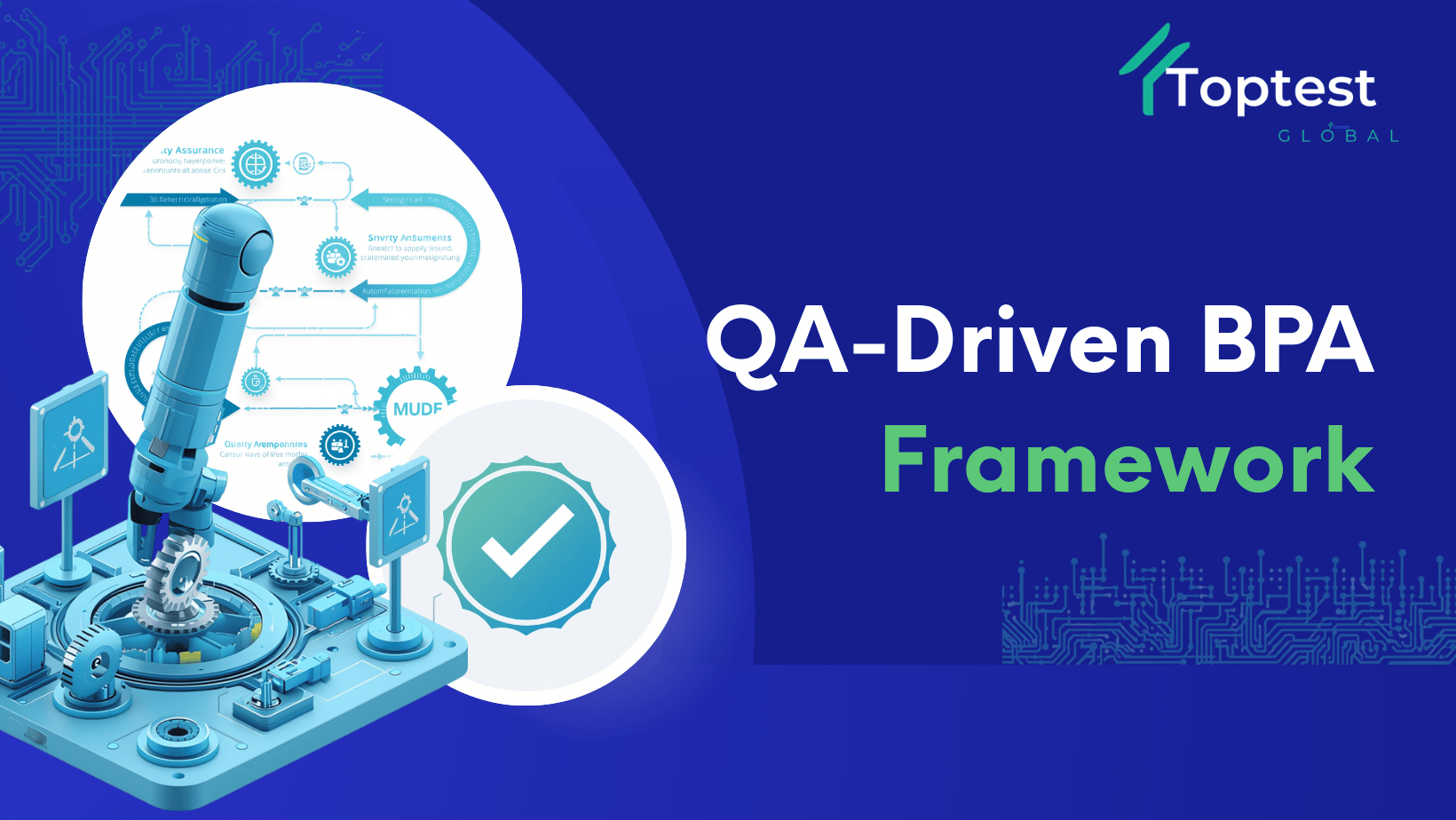
At Toptest Global, we advocate for a QA-driven workflow automation framework. This isn’t just about making things move; it’s about making sure they move correctly every single time. By leveraging automated QA testing software and modern frameworks like Playwright automation, we ensure your workflows are stress-tested before they hit production.
The Zero-Bottleneck Architecture
Our “Zero-Bottleneck” approach combines process automation in software project management with high-end engineering. We don’t just build a sequence; we build a resilient ecosystem.
-
Reliability: Every node in your visual workflow builder is validated through software QA automation.
-
Scalability: We use BPMN process mapping to ensure your logic holds up under enterprise-grade loads.
-
Visibility: Full logging and error-handling powered by a robust business rules engine.
Top Low Code Workflow Automation Tools for 2026
Choosing the right platform is critical. Based on our hands-on implementation experience, here is how the top contenders compare:
| Feature | n8n Integration | Cflow Integration | Enterprise BPM Software |
| Best For | Complex Data Logic | Form-heavy Approvals | Legacy Transformation |
| Flexibility | High (Fair-code) | Medium (SaaS) | Low (Rigid) |
| Testing Support | Excellent | Good | Moderate |
| Primary Strength | Visual workflow builder | Business rules engine | BPMN process mapping |
Whether you are looking at n8n.io for its flexibility or Cflow for streamlined operations, our team helps you navigate the business workflow automation selection guide to find your perfect match.
High-Impact Use Cases for 2026
Low code workflow automation is revolutionizing diverse departments. Based on our 98% client retention rate, we recommend starting with these high-ROI areas:
1. HR & People Operations
-
Automated Employee Onboarding: Sync IT, payroll, and management tasks the moment a contract is signed.
-
HR Process Automation: Streamline leave requests and performance reviews without manual data entry.
2. Finance & Procurement
-
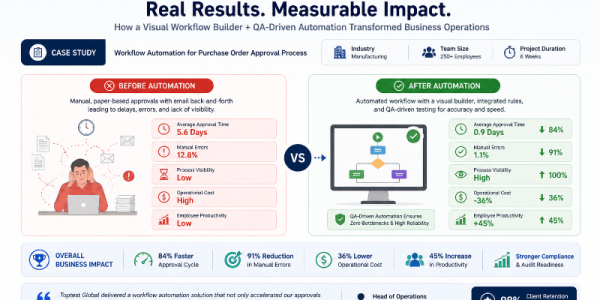
Automated Purchase Order Approval: Use a business rules engine to route approvals based on budget thresholds.
-
Client Onboarding Automation: Reduce friction in B2B relationships by automating KYC and documentation.
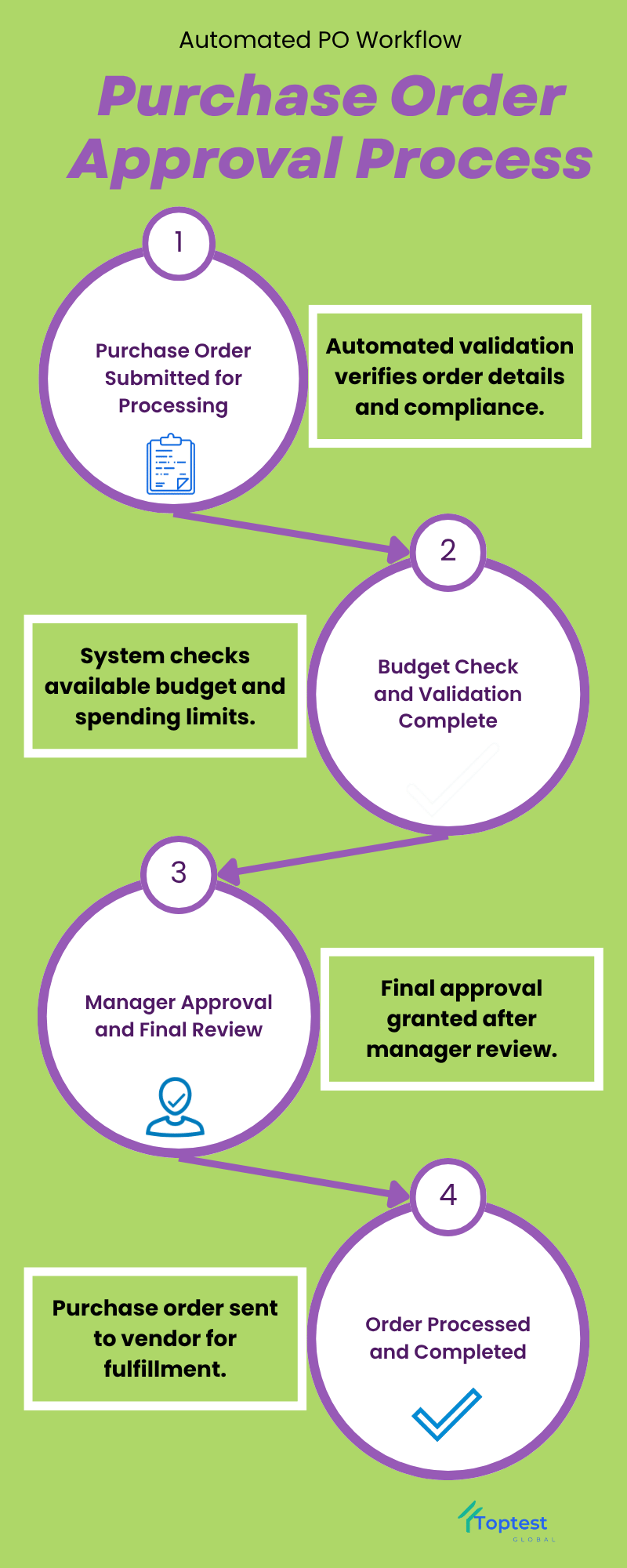
Flowchart of an automated purchase order approval process
Implementation Best Practices: The Expert Checklist
In our 100+ projects, we’ve learned that success is in the details. Follow these steps for a zero-bottleneck automation rollout:
-
Map Before You Build: Use BPMN process mapping to visualize the “As-Is” versus “To-Be” states.
-
Prioritize Security: Ensure your process automation software complies with local regulations (like PDPA in Singapore).
-
Integrate QA Early: Use automated QA testing software during the development phase, not as an afterthought.
-
Monitor & Optimize: Automation is iterative. Use data to find the next bottleneck.
Achieving ROI with Digital Process Automation
The goal of workflow automation is to free your human capital for higher-value tasks. By implementing a visual workflow builder supported by Toptest’s software QA automation expertise, firms typically see a 30-40% reduction in operational costs within the first year.
Our cross-border delivery capability, spanning our centers in Singapore and Hanoi, ensures you get world-class engineering with localized insights. We don’t just provide a tool; we provide a scalable foundation for growth.
Conclusion: Start Your Automation Journey Today
Embracing low code workflow automation is the most effective way to future-proof your operations in 2026. By focusing on a QA-driven approach, you eliminate the risks of fragility and ensure that your business process automation efforts deliver long-term value.
Ready to eliminate inefficiencies and scale with confidence?
[Book a Free 45-minute Automation & QA Audit] with our senior strategists today. Let’s build your zero-bottleneck future together.
Frequently Asked Questions
Q: What is the difference between no-code and low-code workflow automation?
A: No-code is designed for non-technical users for simple tasks. Low-code allows for custom scripts and deeper integrations, making it ideal for complex enterprise-grade BPM software requirements.
Q: Why is QA important for workflow automation?
A: Without software QA automation, a single bug in an automated process can replicate thousands of times in seconds. Our QA-driven approach ensures your logic is sound before it scales.
Q: Can these tools integrate with my existing legacy systems?
A: Yes. Using n8n integration or custom APIs, we can bridge the gap between modern workflow management software and your existing core systems.